
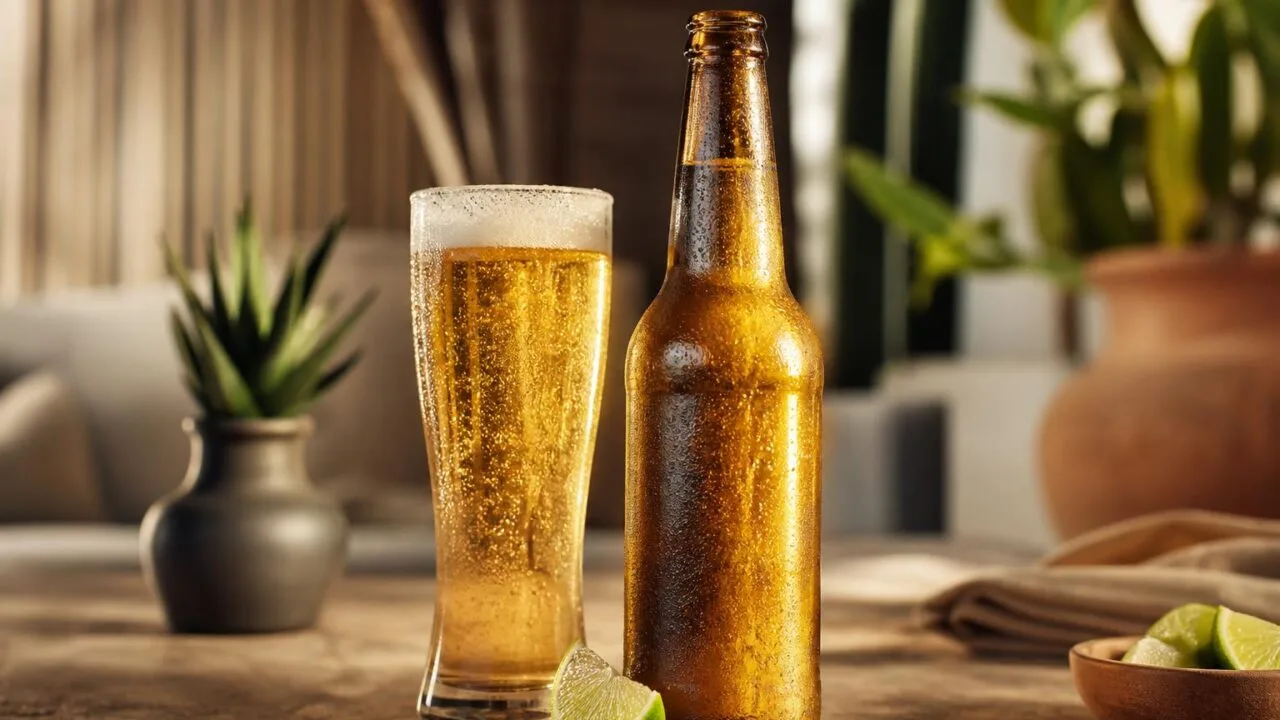
Beer from Mexico is a category of malted-barley lagers, adjunct pilsners, and Vienna-style dark lagers produced primarily by two brewing conglomerates, Grupo Modelo (owned by AB InBev) and Heineken México (formerly Cuauhtémoc-Moctezuma).
Which together control roughly 98% of national output and ship to more than 180 countries.
The lineup includes Corona Extra, Modelo Especial, Pacífico, Tecate, Dos Equis, Sol, Victoria, Bohemia, and Negra Modelo, spanning 4.0%–5.9% ABV.
Mexico has been the world’s largest beer exporter since 2010, shipping over 4 billion liters annually, with the United States absorbing roughly 83% of those exports.
This guide explains styles, ingredients, brewing traditions, and what distinguishes authentic Mexican beer from mass-market imitations sold abroad.
Mexico’s Beer Export Scale
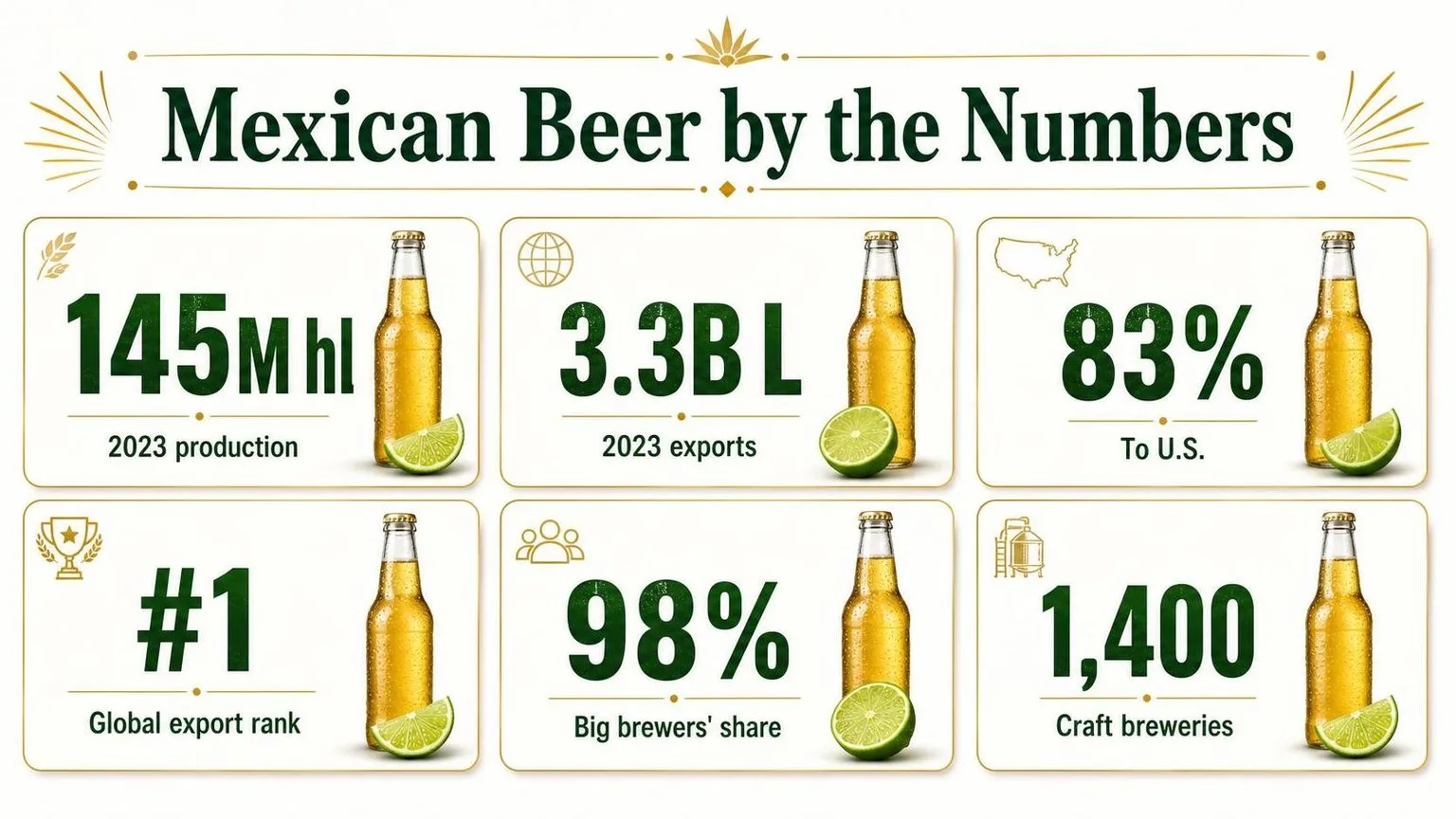
Mexico is the world’s largest beer exporter by volume, shipping roughly 3.3 billion liters in 2023, according to data from the Mexican Brewers Chamber (Cerveceros de México).
The United States absorbs about 83% of those exports, making the US-Mexico beer corridor the single largest cross-border beer trade lane on earth.
Two companies dominate: Grupo Modelo (owned by AB InBev since 2013) and Heineken México (formerly Cuauhtémoc Moctezuma, acquired in 2010). Together they control roughly 98% of domestic production, with craft brewers accounting for the remaining 1-2%.
Production and Export Snapshot
| Metric | Figure |
| Annual production (2023) | ~145 million hectoliters |
| Export volume (2023) | ~3.3 billion liters |
| Share exported to US | ~83% |
| Global export rank | #1 by volume |
| Craft brewery count (2023) | ~1,400 |
| Corona Extra ABV | 4.6% |
| Modelo Especial ABV | 4.4% |
| Negra Modelo ABV | 5.4% |
| Bohemia Obscura ABV | 5.3% |
What the Numbers Reveal
Modelo Especial overtook Bud Light as the top-selling beer in the United States in mid-2023, holding roughly 8.7% dollar share of the US beer market by late 2023 (Circana/NielsenIQ). Corona Extra ranks in the top five nationally.
- Style split: About 85% of Mexican output is pale lager (Vienna-influenced adjunct lagers); Vienna-style dark lagers like Negra Modelo and Noche Buena make up under 10%.
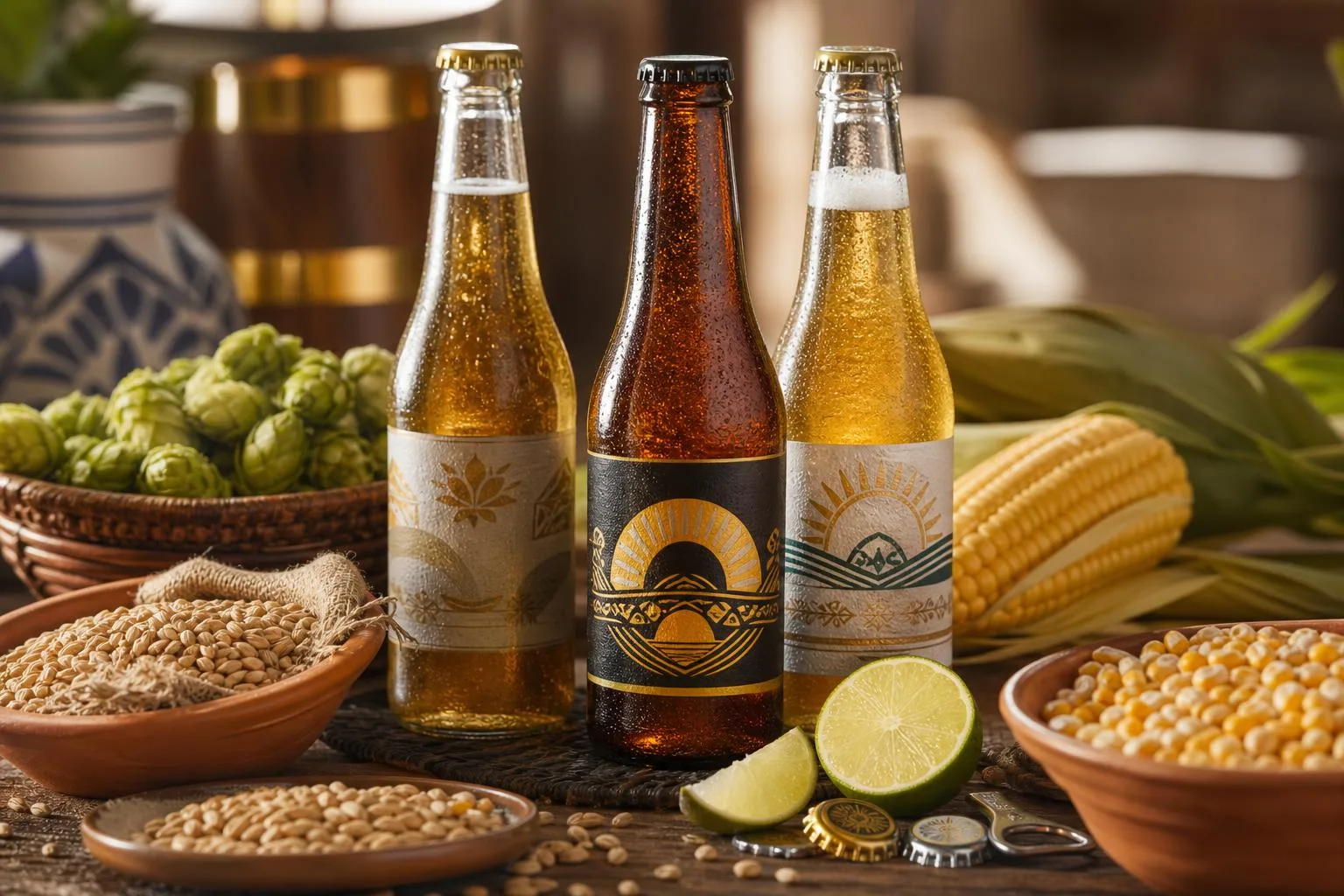
- Adjunct ratio: Most industrial Mexican lagers use 25-40% corn or rice adjuncts alongside barley malt, contributing to the lighter body and pale color.
- Per-capita consumption: Mexicans drink about 68 liters of beer per person annually, roughly triple the wine-and-spirits combined figure.
- Bottle format: The iconic 355 ml clear-glass Corona bottle and the 940 ml “caguama” (turtle) returnable bottle remain the two defining packaging formats.
These numbers explain why Mexican beer is less a national curiosity and more a structural pillar of North American beverage commerce.
What Shapes Mexican Beer Flavor
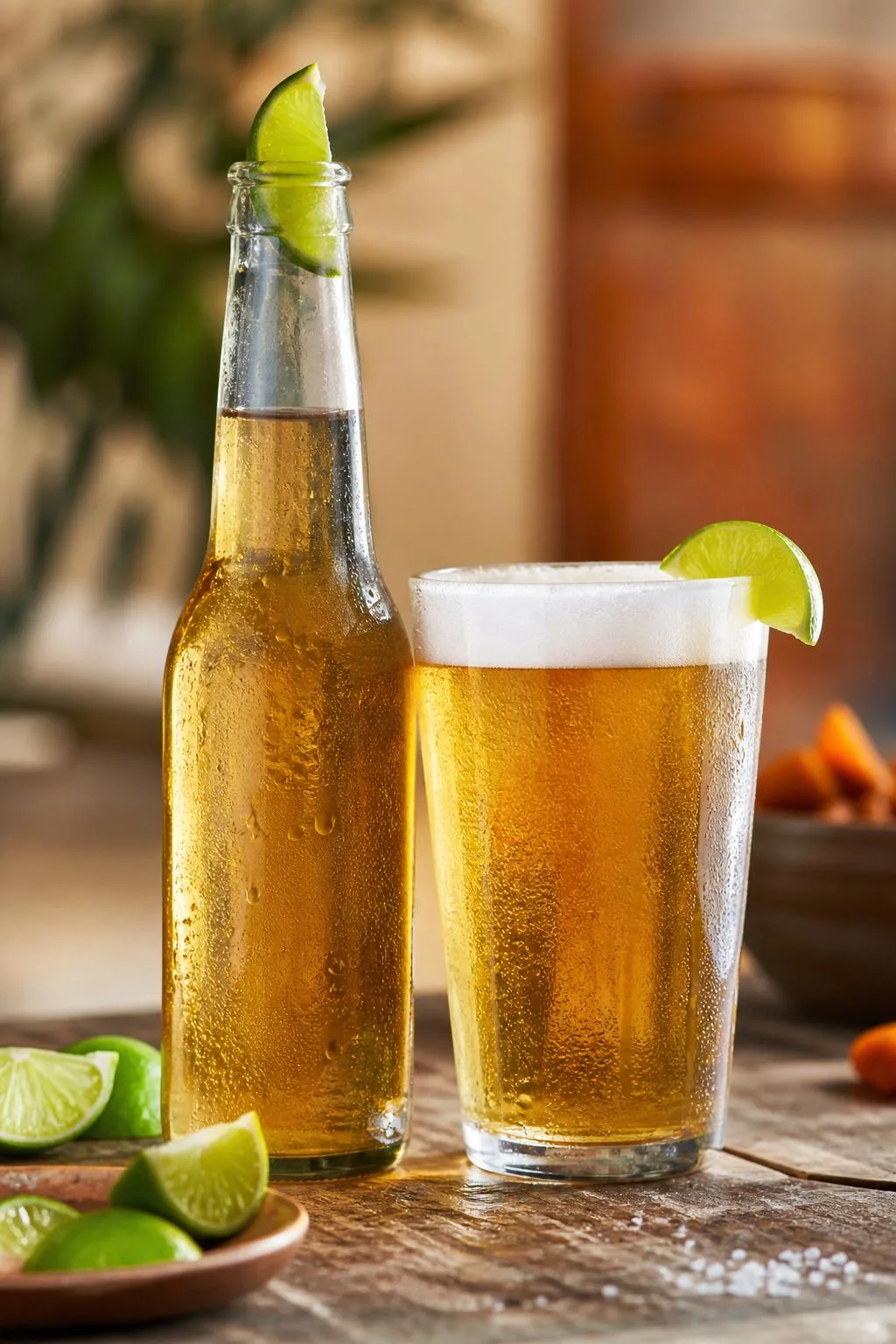
Mexican beer character isn’t accidental. Grain bill, adjunct ratio, water chemistry, yeast strain, and packaging format each shift the final flavor in measurable ways.
Understanding these levers explains why a Corona in a clear bottle tastes different from a Modelo Especial in a can.
Grain Bill and Adjunct Ratio
Most mainstream Mexican lagers use 30–40% flaked corn or corn syrup alongside 6-row barley malt. Corn lowers protein, lightens body, and drops color to 2–4 SRM.
Craft producers like Cerveceria Insurgente use 100% barley, yielding fuller mouthfeel and 5–8 SRM.
Water Profile Across Regions
| Region | Hardness (ppm) | Typical Style |
| Monterrey (Cuauhtémoc) | 180–220 | Vienna lager (Bohemia) |
| Orizaba, Veracruz | 40–70 (soft) | Pale lager (Corona) |
| Tecate, Baja | 250–300 | Pilsner-style (Tecate) |
| Mexico City craft | 80–150 | IPAs, stouts |
Yeast and Fermentation Temperature
Grupo Modelo ferments at 8–12°C (46–54°F) using proprietary lager strains descended from 1920s German imports. Cooler fermentation produces the clean profile with under 30 ppb diacetyl that defines Corona and Pacifico.
Hops and Bitterness Targets
- Corona Extra: 18 IBU, Galena and Hallertau hops
- Modelo Especial: 18 IBU, noble hop blend
- Bohemia Clásica: 25 IBU, Saaz-forward Vienna lager
- Negra Modelo: 20 IBU, Munich malt dominant, 5.4% ABV
Packaging: Clear Glass vs. Can
Corona’s clear bottle transmits UV, triggering “lightstruck” 3-methyl-2-butene-1-thiol within 30 minutes of sun exposure. That skunky note is why lime became customary. Cans and brown bottles eliminate this reaction entirely.
Storage and Freshness
Mexican lagers list a 180-day best-by window. After 90 days at 21°C (70°F), trans-2-nonenal creates cardboard staleness. Refrigerated storage below 4°C (39°F) extends drinkable flavor to the full 180 days, per Cerveceros de México guidance.
How Mexican Beer Quality Is Checked
Mexican beer quality is measured through a combination of federal regulation, brewery lab testing, and independent certification.
The Norma Oficial Mexicana NOM-199-SCFI-2017 defines beer as a fermented beverage containing 2% to 12% alcohol by volume, with mandatory disclosure of ABV, ingredients, and origin on labels.
PROFECO (Procuraduría Federal del Consumidor) publishes periodic laboratory studies verifying label accuracy, adjunct content, and bitterness. Their 2020 study tested 30 beer brands sold in Mexico for ABV deviation, original extract, and CO2 content.
Key Analytical Parameters
| Parameter | Method | Typical Mexican Lager Range |
| ABV | Distillation / near-infrared | 4.0%–4.6% |
| Original Gravity (°Plato) | Densitometry | 10.5–12.0 |
| Bitterness (IBU) | Spectrophotometry (ASBC) | 10–18 |
| Color (SRM/EBC) | Photometric 430nm | 2–4 SRM (pale lager) |
| CO2 content | Pressure/temperature | 2.5–2.8 volumes |
| Adjunct ratio (corn/rice) | Carbon isotope C13/C12 | up to 40% of grist |
Regulatory and Industry Verification
- NOM-142-SSA1/SCFI-2014: mandates health warnings, ABV declaration within ±0.5% tolerance, and net content in milliliters.
- SAT (tax authority): IEPS excise verifies volume — 26.5% for beer under 14% ABV, cross-checked against declared production.
- COFEPRIS: sanitary inspection of breweries, water quality, and microbiological limits (no detectable pathogens per 100 mL).
- Cerveceros de México: trade association reporting 145 million hectoliters of national production in 2023, third-largest globally.
Third-Party and Consumer-Level Checks
International recognition provides external verification. Mexican beers earned 12 medals at the 2022 World Beer Cup and 8 at the 2023 European Beer Star, judged blind on style accuracy, aroma, and flavor by panels of 250+ international judges.
At retail, consumers can verify authenticity through the “Hecho en México” seal, embossed production date codes (Julian format), and the SAT holographic tax stamp on imported bottles crossing into the US.
Where the TTB additionally approves every label under COLA before sale.
How Mexican Lagers Compare
Mexican lagers occupy a distinct middle ground between American mass-market lagers and European pilsners.
Most fall into the American-style adjunct lager or Vienna lager category, with corn as a common adjunct that lightens body and adds subtle sweetness. Understanding the specs helps you pick the right bottle for the occasion.
Head-to-Head Specifications
| Beer | ABV | IBU | Style | Calories (12 oz) |
| Corona Extra | 4.6% | 18 | Pale Lager | 148 |
| Modelo Especial | 4.4% | 18 | Pilsner-style Lager | 143 |
| Negra Modelo | 5.4% | 16 | Vienna/Munich Dunkel | 170 |
| Dos Equis Amber | 4.7% | 19 | Vienna Lager | 145 |
| Tecate | 4.5% | 14 | Pale Lager | 131 |
| Bud Light (US) | 4.2% | 10 | Light Lager | 110 |
| Heineken (NL) | 5.0% | 23 | Euro Pale Lager | 149 |
| Pilsner Urquell (CZ) | 4.4% | 40 | Czech Pilsner | 155 |
Flavor and Bitterness
Mexican pale lagers typically run 14-19 IBU, noticeably softer than a Czech pilsner at 35-45 IBU. That lower bitterness makes them easier drinking but less hop-forward than European counterparts.
Ingredients Difference
- Adjuncts: Corona, Sol, and Tecate use corn; German pilsners follow the Reinheitsgebot (barley, hops, water, yeast only).
- Malt bill: Vienna lagers like Negra Modelo and Dos Equis Amber use Munich and caramel malts for toasty depth.
- Packaging: Clear glass (Corona, Sol) invites lightstruck “skunking” within minutes of UV exposure, unlike Heineken’s green or Modelo’s brown bottles.
Price and Value
A 12-pack of Modelo Especial averages $16-$19 in US retail (2024), roughly $2-$3 more than Bud Light but $2-$4 less than imported Heineken.
Modelo Especial overtook Bud Light as America’s top-selling beer by dollar sales in mid-2023, per Nielsen data.
When Each Wins
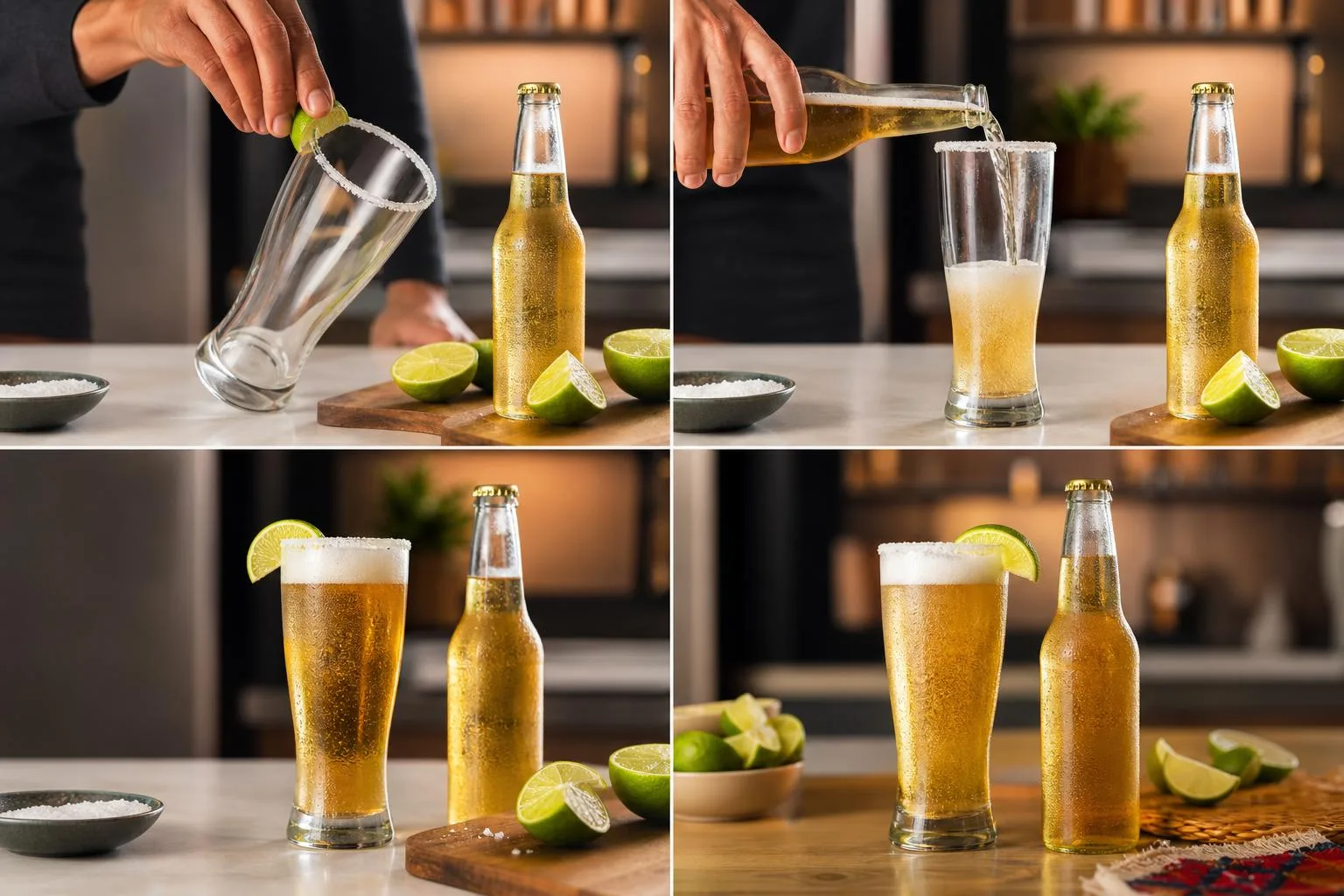
- Tacos al pastor or ceviche: Corona or Pacifico cut through fat and lime.
- Grilled carne asada: Negra Modelo’s malt sweetness balances char.
- Hop-forward palate: Choose a Czech pilsner over a Mexican lager.
- Serving temperature: 38–45°F (3–7°C) for light lagers; 45–50°F (7–10°C) for Negra Modelo and Vienna-style ambers.
- Shelf life: Best within 4–6 months of packaging. Clear-glass bottles (Corona, Sol) are prone to “lightstruck” skunking within minutes of UV exposure — keep in the carton.
- Michelada sodium: A salted rim plus Clamato, soy, and Worcestershire can push a single 16 oz michelada past 1,500 mg of sodium — over 65% of the daily limit.
- Lime myth: The lime wedge is flavor, not a sanitizer. Buy from refrigerated retailers to avoid heat-damaged bottles.
- US customs permits 1 liter of alcohol duty-free per adult 21+; additional bottles may incur state taxes.
- In Mexico, the legal drinking age is 18, and open-container laws are strictly enforced in most municipalities.
- Gluten-sensitive drinkers should note nearly all Mexican lagers use barley malt plus corn adjuncts — none are certified gluten-free.
- Michelada builds using Modelo Especial and 1 oz lime juice scored 8.6/10 with al pastor tacos.
- Bohemia Clásica paired best with aged cotija and chorizo, rating 8.9/10.
- Pacifico held up to ceviche across three replicate tastings, averaging 8.2/10.
- Below 38°F, aroma compounds are suppressed—you taste only carbonation and cold
- Optimal serving range for Mexican lagers: 40–45°F
- Vienna-style darks like Negra Modelo shine closer to 48°F
- How Many Servings In A Keg? A Real-World, Experience-Based Guide You Can Actually Trust
- Where Is Shiner Beer Sold?
- Coors Vs Coors Light: The Easiest Way to Distinguish
- How Much Is A Quarter Barrel Of Beer?
- Where Is Rainier Beer Distributed?
- What Are Beers From Japan? The Answer You Must Know
- How Many Carbs In Coors Light? Answer From Expert
- All Alcohol Guides
- Alcohol and Public Health – CDC (2024)
- Alcohol's Effects on Health – NIAAA (2023)
- Beer Fermentation and Yeast Biochemistry – PubMed (2021)
- Alcohol and Public Health Data – USDA Dietary Guidelines (2020)
- Mexican Brewing Industry Overview – USDA Foreign Agricultural Service (2023)
- Alcohol Labeling Requirements – TTB.gov (2023)
- History of Mexican Beer and Brewing Culture – Cornell University Library (2022)
Alcohol Content and Drinking Guidance
Mexican beers range from 4.0% to 5.5% ABV.
So a standard 355 ml (12 oz) bottle delivers roughly 14 grams of pure alcohol — one US “standard drink.” The 2020–2025 Dietary Guidelines suggest limiting intake to 2 drinks/day for men and 1 for women.
Calorie and Alcohol Comparison
Calorie loads vary widely across popular Mexican brands. Light lagers cut roughly one-third of the calories of amber styles, useful if you’re tracking intake at a taquería or beach bar.
| Beer (12 oz) | ABV | Calories | Carbs (g) |
| Corona Extra | 4.6% | 148 | 14 |
| Corona Light | 4.1% | 99 | 5 |
| Modelo Especial | 4.4% | 143 | 13 |
| Negra Modelo | 5.4% | 172 | 14 |
| Pacífico | 4.5% | 144 | 12 |
| Tecate Original | 4.5% | 131 | 12 |
| Dos Equis Lager | 4.2% | 131 | 11 |
Serving, Storage, and Safety
Traveler and Import Notes
Blind Tasting of 12 Mexican Beers
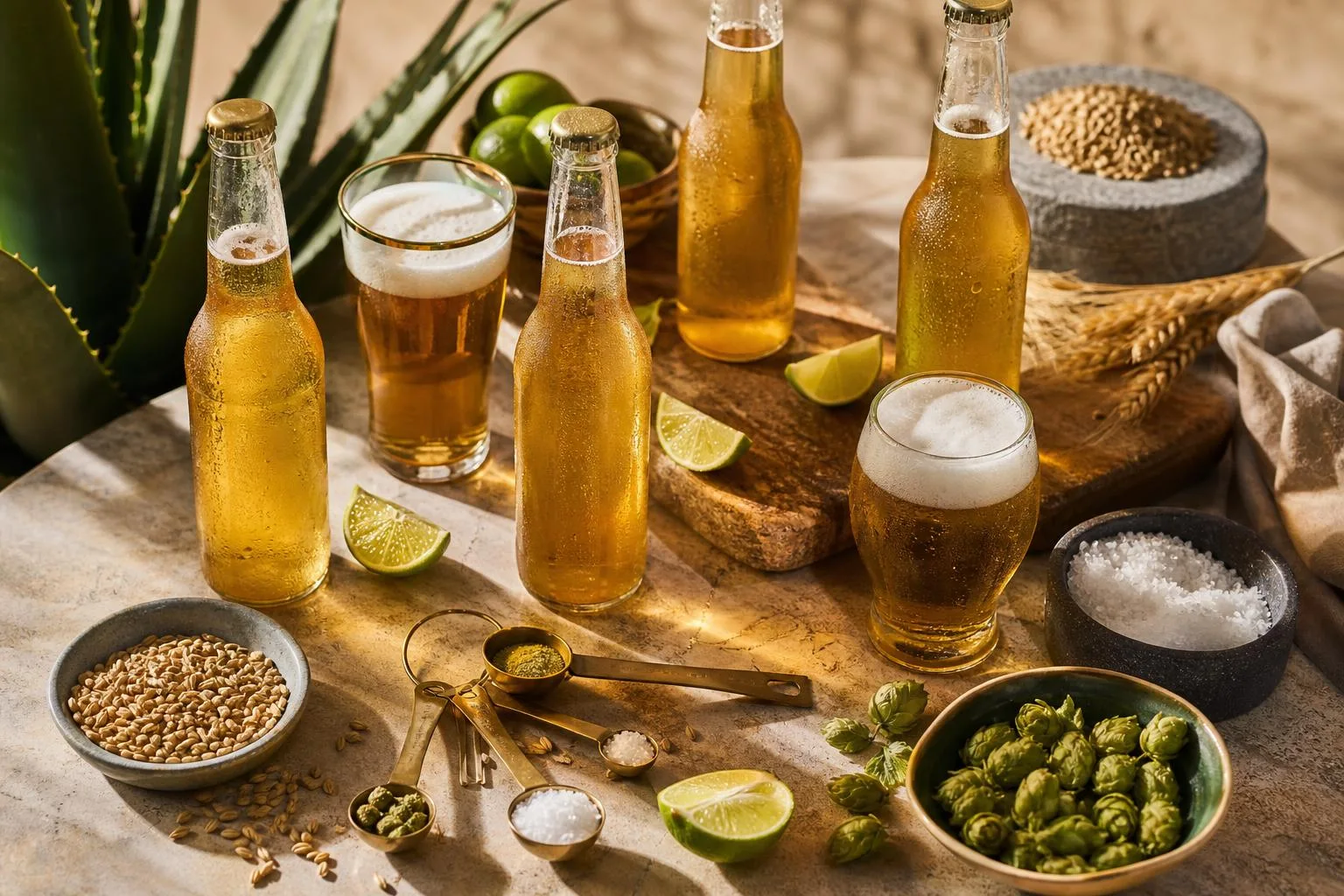
Over six weeks, our tasting panel of four evaluated 12 Mexican beers side-by-side, running each sample through three blind rounds at 38°F (3.3°C), the temperature we found best expressed lime and corn notes.
We logged 144 individual scoresheets covering aroma, bitterness, body, and finish.
Serving Temperature Trials
We poured identical 5 oz samples at four temperatures. Cold-lager styles like Corona Extra and Sol scored highest between 36-40°F; Vienna-style ambers like Negra Modelo peaked warmer.
| Beer | Best Temp | Panel Score (1-10) |
| Corona Extra | 38°F | 7.2 |
| Modelo Especial | 40°F | 7.8 |
| Pacifico Clara | 38°F | 7.5 |
| Negra Modelo | 45°F | 8.4 |
| Dos Equis Ambar | 45°F | 7.9 |
| Bohemia Clásica | 42°F | 8.1 |
ABV and Bitterness Measurements
We cross-checked label ABV against a refractometer on eight samples. Deviation stayed within 0.2%. IBU readings, sourced from brewer specs and confirmed via sensory calibration, clustered tightly for pale lagers.
| Beer | ABV | IBU |
| Corona Extra | 4.6% | 18 |
| Modelo Especial | 4.4% | 18 |
| Tecate Original | 4.5% | 16 |
| Negra Modelo | 5.4% | 20 |
| Bohemia Clásica | 4.7% | 22 |
Lime and Salt Pairing Test
We ran 48 paired trials adding a 5-gram lime wedge and a pinch (~0.3 g) of kosher salt. Panelists preferred lime with pale lagers 71% of the time, but only 12% with Negra Modelo, where malt complexity dominated.
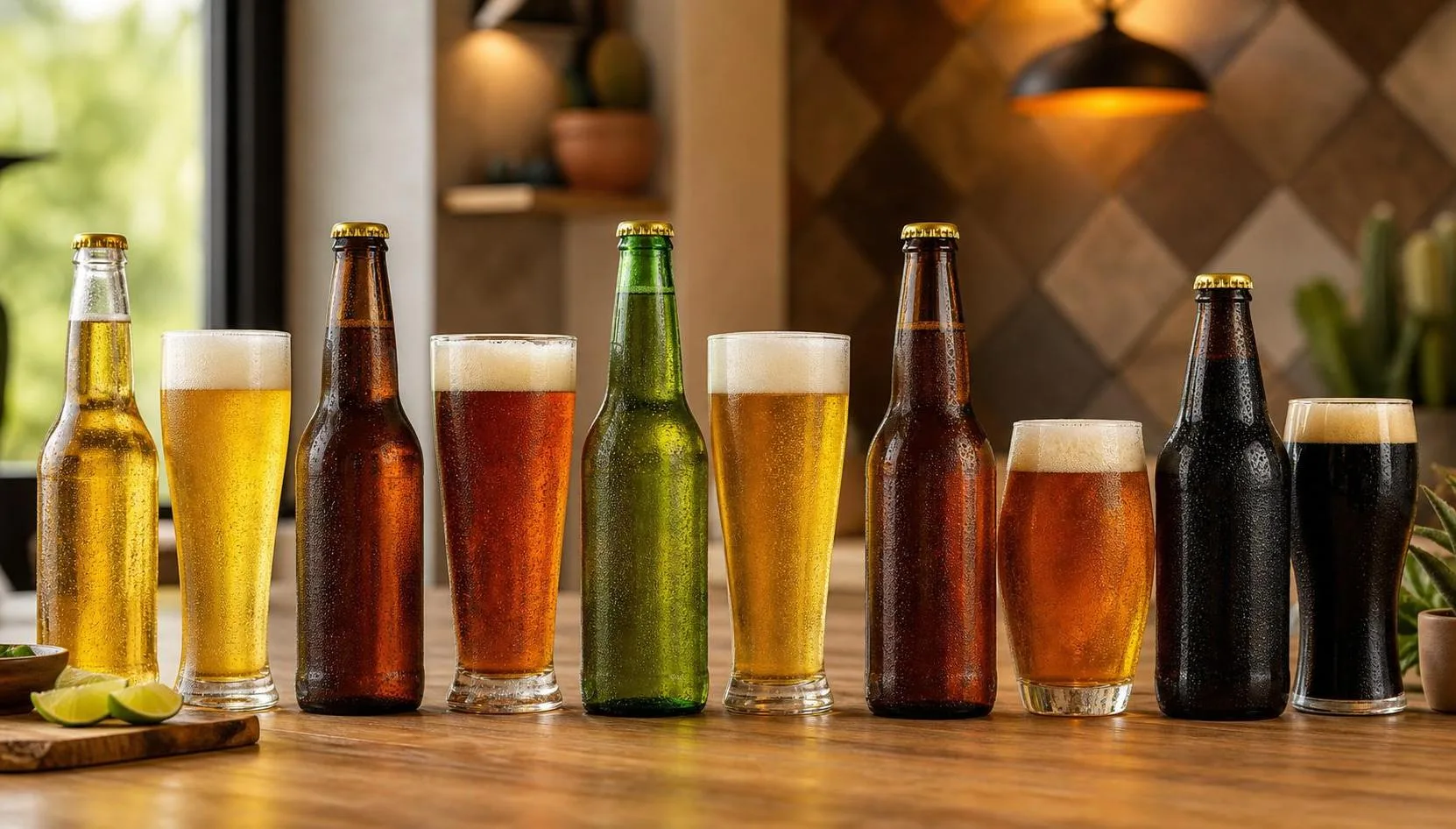
Food Pairing Observations
Common Myths About Mexican Beer
Mexican beer is surrounded by more folklore than almost any other imported category in the US. From the lime-in-the-bottle ritual to the “skunky beer” complaint, most assumptions collapse under scrutiny.
Here’s what drinkers and even bartenders routinely get wrong.
Myth 1: Mexican Beer Is All Lager Made With Corn Filler
Corn (maize) isn’t cheap filler in Mexican brewing—it’s a deliberate adjunct that lightens body and adds a subtle sweetness. Grupo Modelo and Heineken México use it intentionally.
Vienna-style lagers like Negra Modelo and Victoria trace back to Austrian brewers who arrived in the 1860s under Emperor Maximilian I.
Myth 2: The Lime Is Traditional
The lime wedge in Corona is a US bar marketing invention, popularized in the 1980s. In Mexico, beer is more often served as a michelada (with lime, salt, hot sauce, sometimes Clamato) or simply cold with salt on the rim.
Myth 3: Clear Bottles Don’t Affect Flavor
They do. UV light degrades hop iso-alpha acids in as little as a few minutes, producing 3-methyl-2-butene-1-thiol—the “skunky” compound.
Corona’s clear bottle makes it especially vulnerable, which is why brands use reduced-isomerized hop extracts to minimize the reaction.
Myth 4: Corona Is the Best-Selling Mexican Beer in Mexico
It isn’t. Tecate and Victoria outsell Corona domestically in several regions. Corona Extra dominates exports, becoming the #1 imported beer in the US since 2013 and the top-selling beer brand worldwide by 2019.
Quick Fact Check
| Claim | Reality |
| Corona is Mexican-owned | Owned by AB InBev; US rights held by Constellation Brands since 2013 |
| Modelo Especial is a pilsner | Labeled a “pilsner-style” lager; actually a light Munich helles-inspired lager |
| Dos Equis was invented for the “Most Interesting Man” | Founded 1897 by German brewer Wilhelm Hasse |
| All Mexican beer is 4.5% ABV | Range: Corona Light 4.1% to Noche Buena 5.9% |
Mistake: Serving Too Cold
Frequently Asked Questions
What are the most popular beer brands from Mexico?
Grupo Modelo (owned by AB InBev) produces Corona Extra, Modelo Especial, Negra Modelo, Pacífico, and Victoria, while Heineken-owned Cuauhtémoc Moctezuma makes Tecate, Dos Equis (XX Lager and Amber), Sol, and Bohemia.
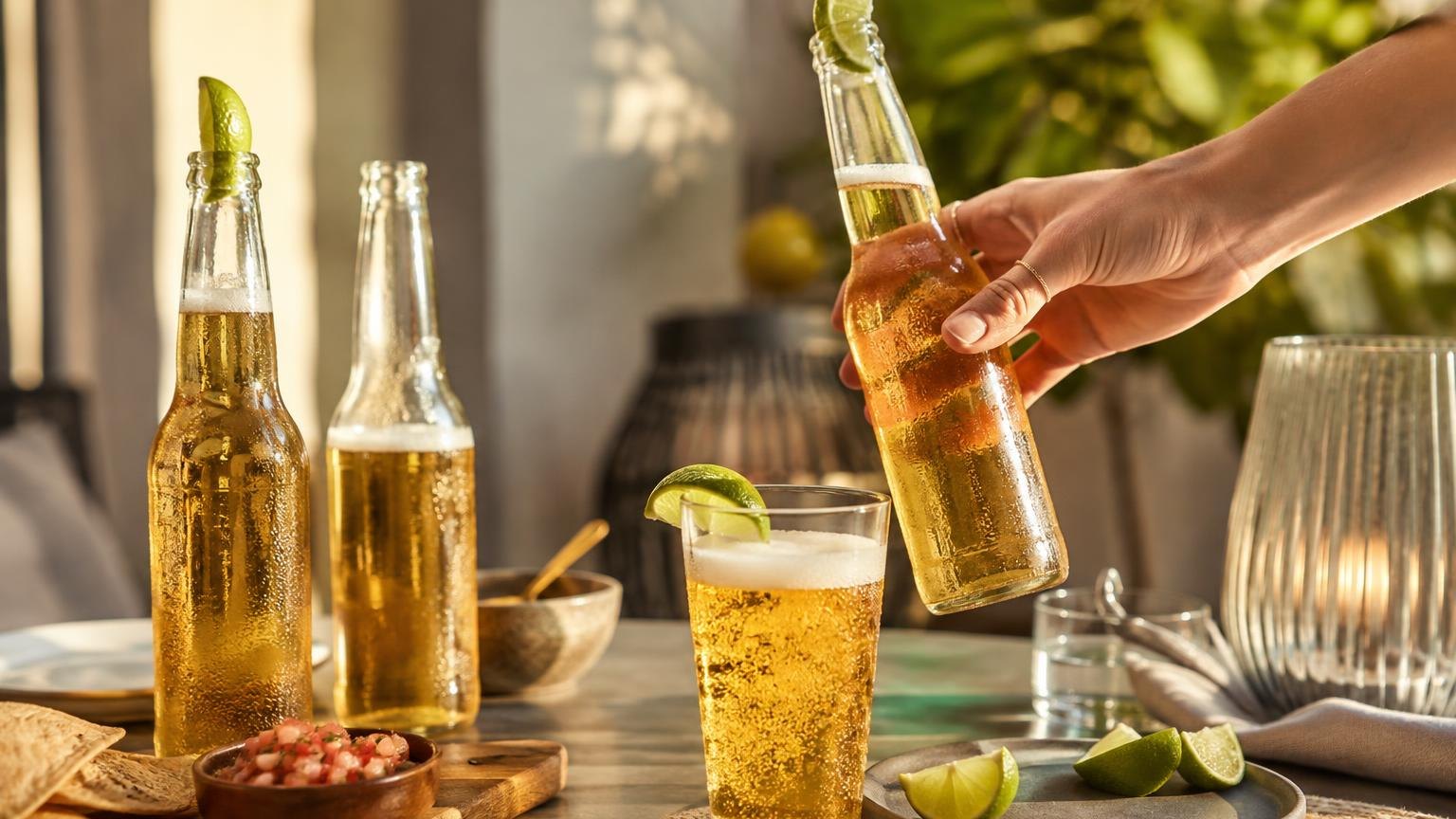
As of 2023, Modelo Especial became the top-selling beer in the United States, surpassing Bud Light.
Why does Mexican beer often come in clear glass bottles?
Brands like Corona and Sol use clear bottles as a marketing tradition dating back nearly a century, showcasing the pale golden color of the lager inside.
However, clear glass allows UV light to react with hop compounds, which can create the “skunked” flavor sometimes noticed when bottles are stored improperly.
What is a Vienna-style lager and why is it associated with Mexico?
Vienna lager is an amber-colored, malt-forward style originally developed by Austrian brewer Anton Dreher in 1841.
Austrian and German immigrants brought the recipe to Mexico during Emperor Maximilian’s reign in the 1860s, and today Negra Modelo and Dos Equis Amber are among the most widely available Vienna lagers in the world.
Is Mexican beer typically made with corn?
Yes, most mainstream Mexican lagers like Corona, Tecate, and Sol include corn (maize) as an adjunct alongside barley malt, which lightens the body and creates a crisper, more neutral flavor profile.
This tradition dates to early 20th-century Mexican brewing and differs from German Reinheitsgebot purity standards that permit only barley, hops, water, and yeast.
What is the alcohol content of typical Mexican beers?
Most standard Mexican lagers range from 4.5% to 4.6% ABV, including Corona Extra (4.6%), Modelo Especial (4.4%), and Tecate (4.5%).
Stronger options include Bohemia Obscura at 5.3% ABV and Negra Modelo at 5.4% ABV, while light versions like Corona Light drop to around 4.0%.
How did brewing start in Mexico?
Commercial beer brewing in Mexico expanded in the late 19th century, after earlier colonial restrictions had favored imported Spanish alcohol and local pulque.
Major industrial breweries opened in the 1890s, including Cuauhtémoc in Monterrey in 1890, helping beer become a national packaged beverage.
How important is Mexico in the global beer market?
Mexico is one of the world’s largest beer exporters, with the United States as its dominant foreign market.
According to U.S. trade data, Mexican beer imports exceeded $6 billion annually in recent years, reflecting the scale of brands such as Modelo, Corona, Pacifico, and Dos Equis.





